



bodw Future Lab 2025
Lab 3 - Creative Leadership in the Age of AI


Lab 3 – Creative Leadership in the Age of AI

The Shift of Leaders
The use of artificial intelligence (AI) represents an unprecedented technological shift in the history of humanity. No longer do we envision AI as a distant future possibility. Rather, AI has become a part of everyday life and will shape how we make decisions, interact with each other, and create value in our organisations.
Across nearly every industry there exist companies, organisations and governments who are actively engaged in developing new products, processes and methods using AI. Many claim that these new tools offer faster results, greater efficiencies and more information. However, what many leaders are beginning to realize is that despite their organization's best efforts to implement AI tools and systems, one fundamental element remains missing. That element is effective leadership.
What has been observed during the development of this Masterclass is that almost all organisations today possess the necessary technology, data, and access to AI. What they lack is the human capacity to successfully lead with it. In essence, they need the ability to direct, to ask questions, to think creatively and to care.
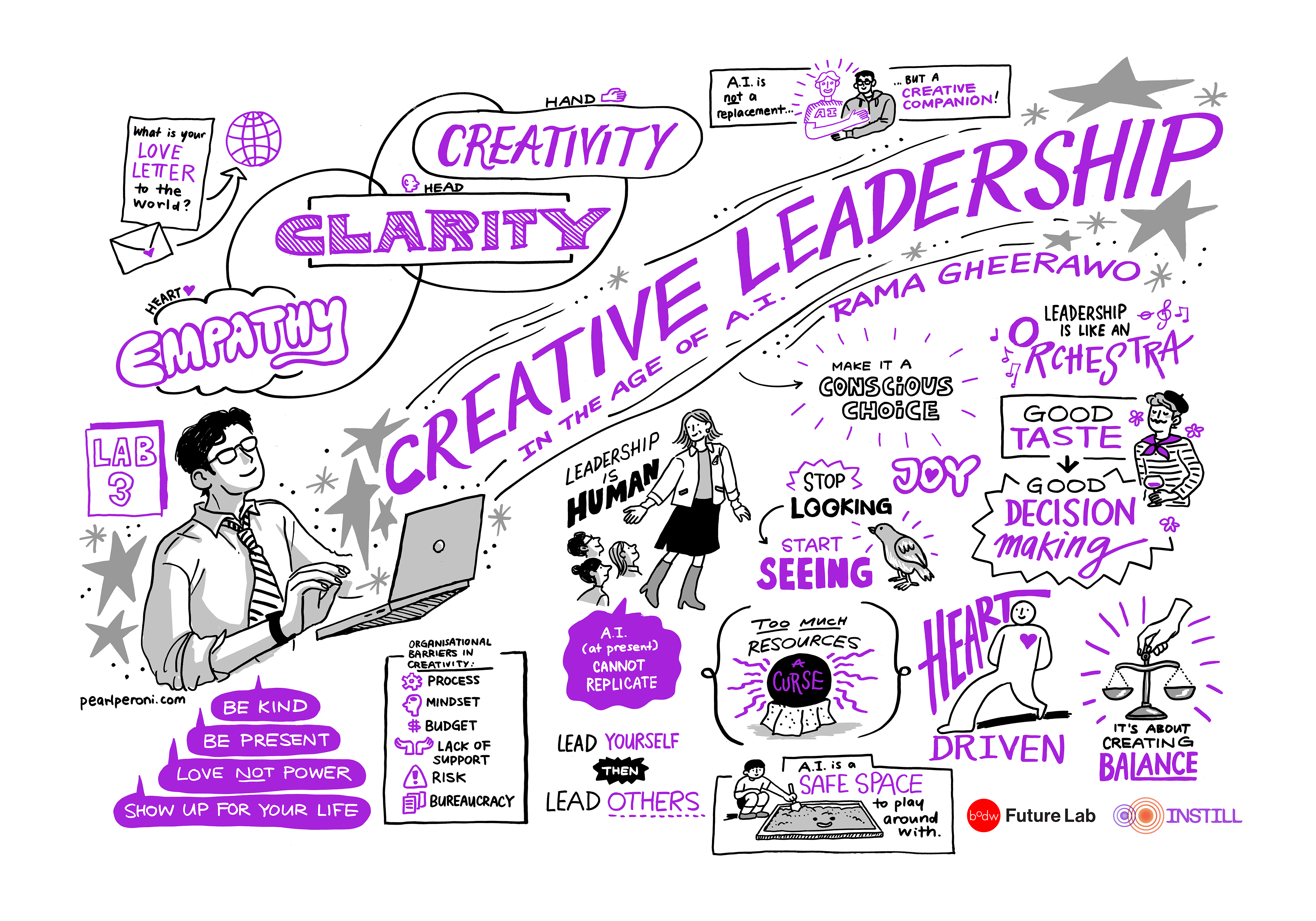
While AI has made tremendous advancements in terms of its capabilities to analyse complex data sets, generate countless numbers of possible solutions, optimize decision-making processes and expose relationships that may have gone unnoticed by humans, it does not possess the ability to establish trust. It also lacks the ability to reside comfortably with uncertainty. Finally, AI cannot comprehend what it means to be human when those qualities matter most.
In many respects, AI has created a model of reality based upon how things currently exist. Therefore, leadership must provide vision of how things could be.
"AI is a good servant but a bad master."
This view was felt to represent where the true challenge is occurring. The challenge is not simply implementing AI. The challenge is to lead with AI in such a manner as to include intentionality, accountability and imagination. If not done so intentionally, even the most sophisticated technologies developed using AI run the risk of merely amplifying existing realities and failing to develop a new reality that would be better.
Creative Leadership provides a path toward moving beyond current limitations. Creative Leadership integrates empathy, clarity and creative thinking into practical action. Unlike some other forms of leadership education, Creative Leadership teaches that leadership is not about control, but rather about connecting with others. Creative Leadership also teaches that leadership is not about finding answers to questions posed by others; rather it is about fostering an awareness of possibilities.
Creative Leadership: A Unique Framework
This Masterclass was not a one-off session. It was part of an ongoing body of work shaped through years of practice at the intersection of leadership, creativity, and real-world application.
This approach has been developed through a long-standing relationship between Rama Gheerawo and HKDC, spanning over 15 years. During this time, nearly 40 workshops, programmes, and Future Lab-style sessions have been delivered — each one exploring how design can move beyond outputs to shape thinking, behaviour, and leadership itself.
Over this period, Rama has trained more than 25,000 people across academic, business, and public-sector contexts, with an estimated reach of over one million lives through the systems, organisations, and communities influenced by this work. The Creative Leadership approach has been applied in over 30 countries, reflecting its relevance across cultures, sectors, and levels of experience. Alongside this, the role as President of EIDD – Design for All Europe continues to reinforce a commitment to leadership that is inclusive, human-centred, and globally connected.
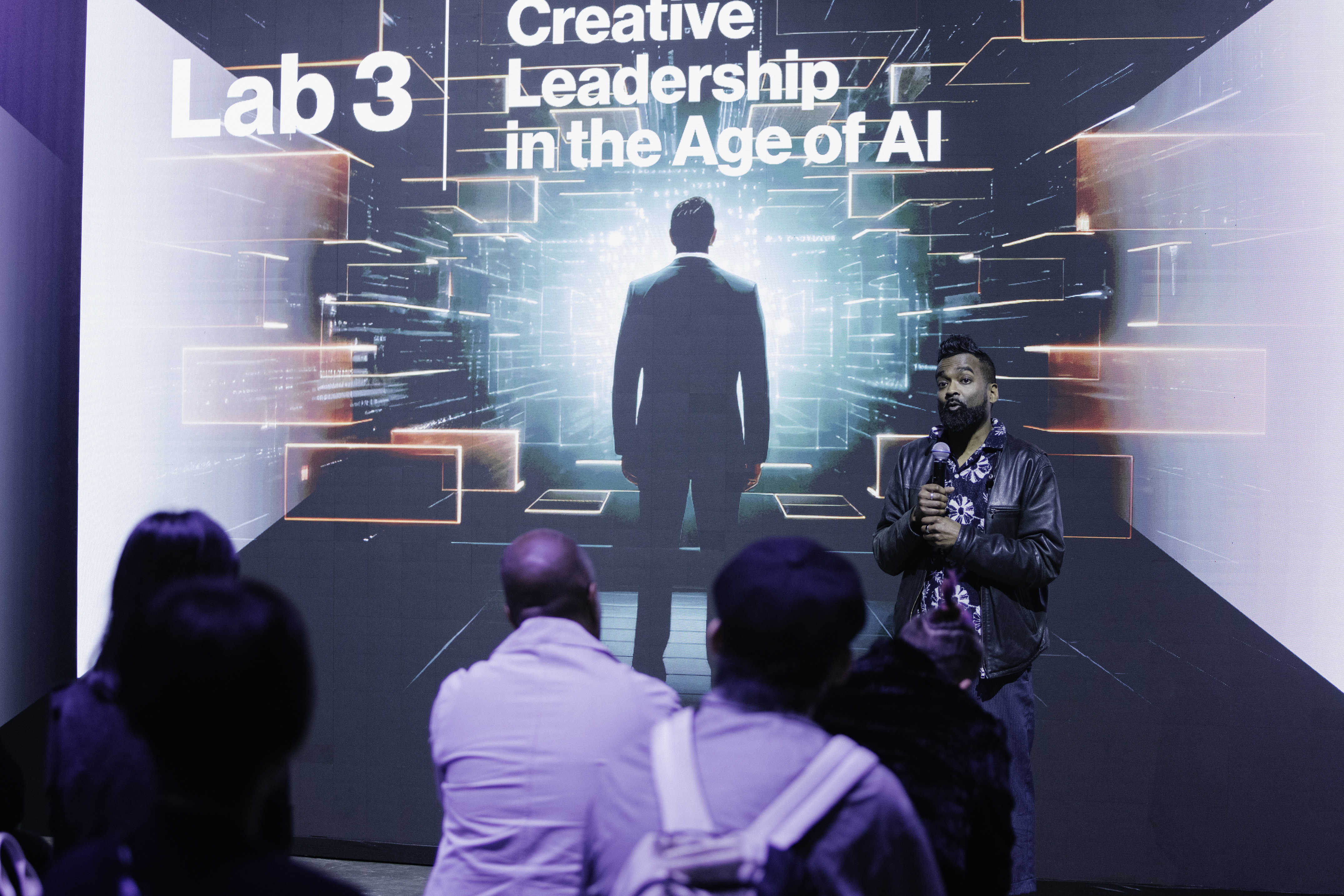
Creative Leadership emerged from a simple but powerful observation: organisations are not lacking ideas, nor ambition, they are often lacking the capability to lead creatively in complex conditions. Published by Penguin as Creative Leadership, the framework brings together three core human capacities: Empathy, Clarity, and Creativity (ECC).
-
Empathy focuses on understanding people, their needs, and their context.
-
Clarity enables leaders to define direction, communicate purpose, and reduce noise.
-
Creativity allows for the generation of new possibilities, the reframing of problems, and the ability to act with imagination and intent.
Together, these form a practical model for leadership that is adaptive, inclusive, and future-facing.
This Masterclass represents the current expression of that work, not as theory, but as lived practice. It is designed to equip individuals and organisations to lead with greater awareness, confidence, and creativity in a world that is changing faster than ever before.
The Structure
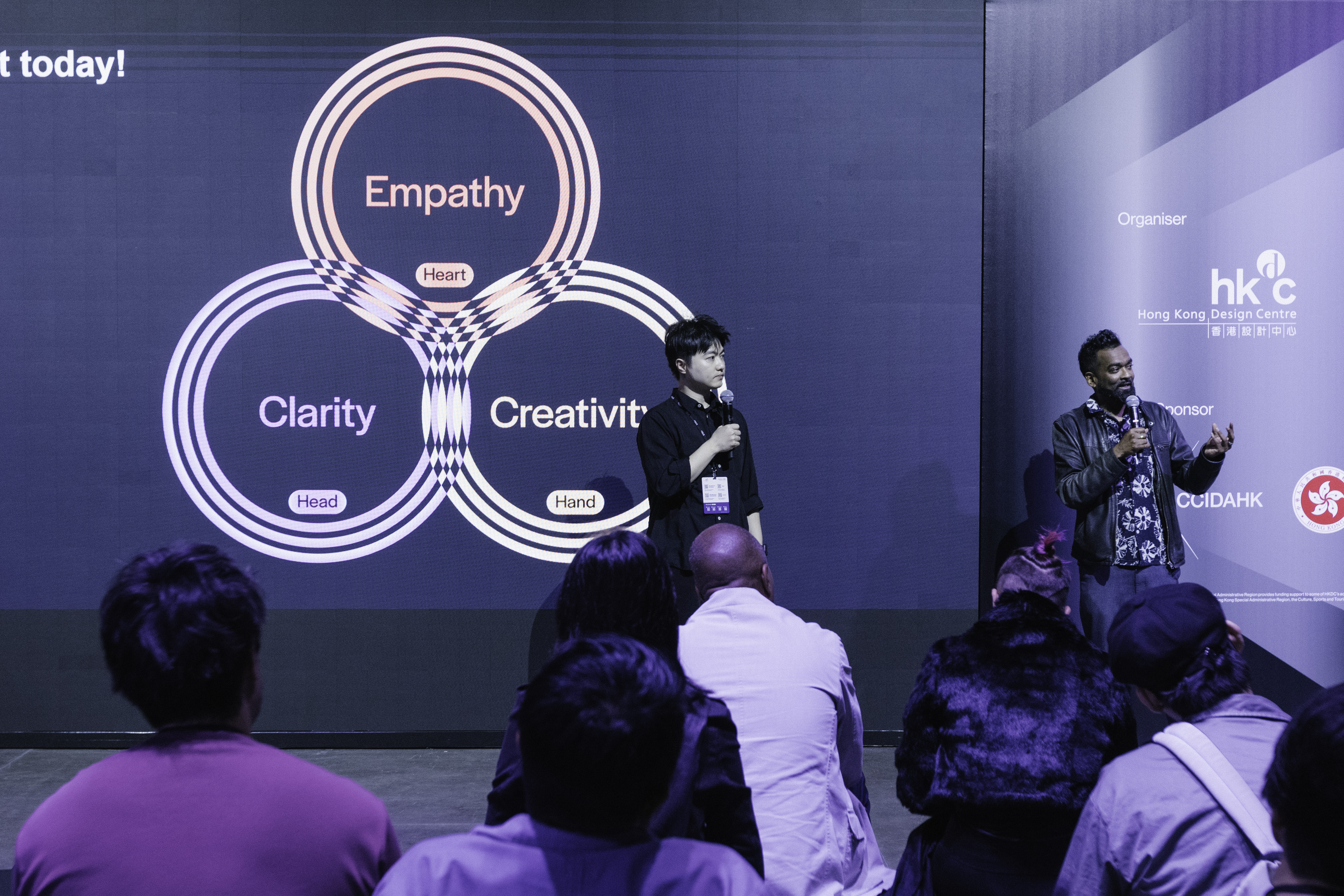
bodw Future Lab 3 took a different form from the previous Labs, moving away from a panel and group discussion format into a structured Masterclass.
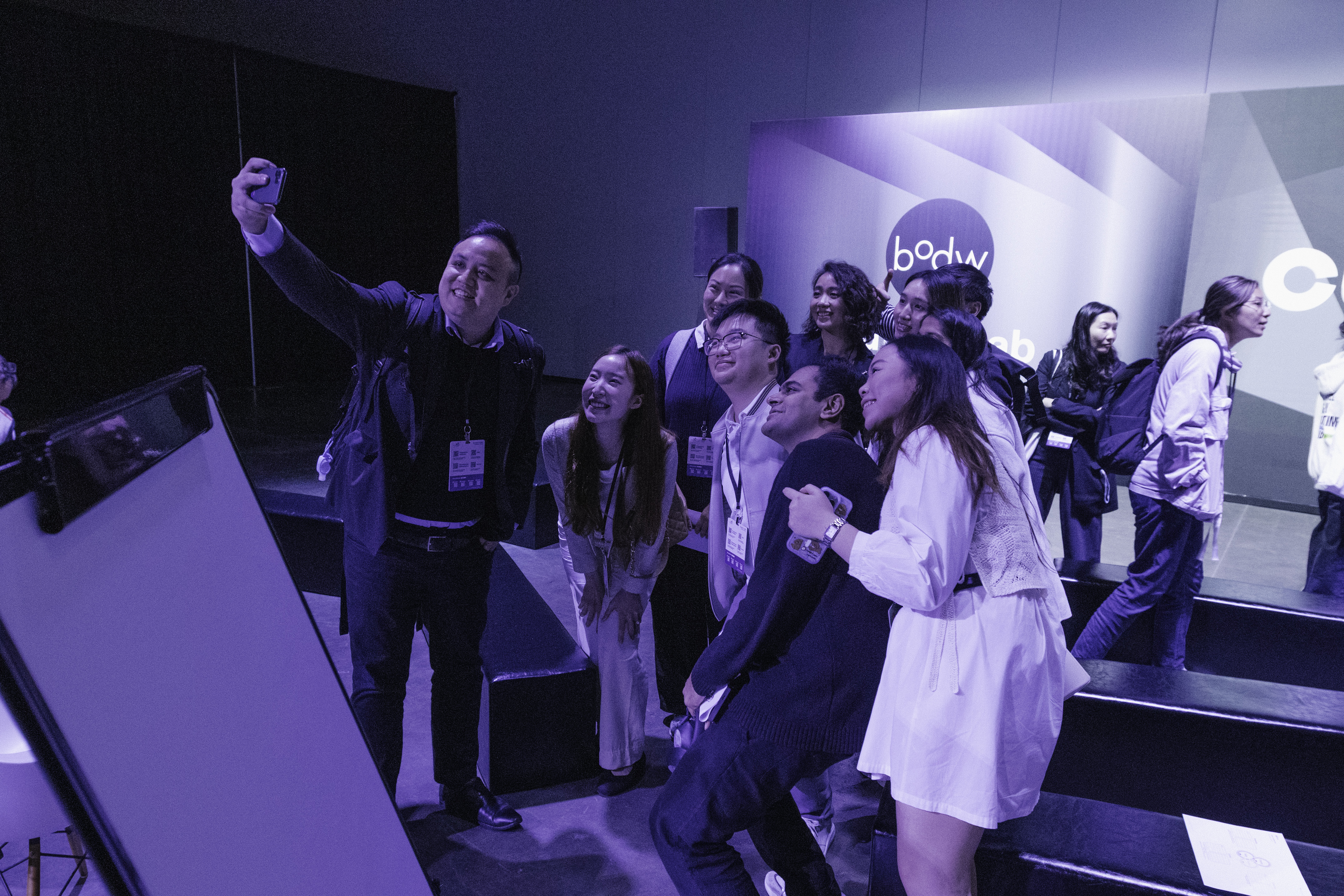
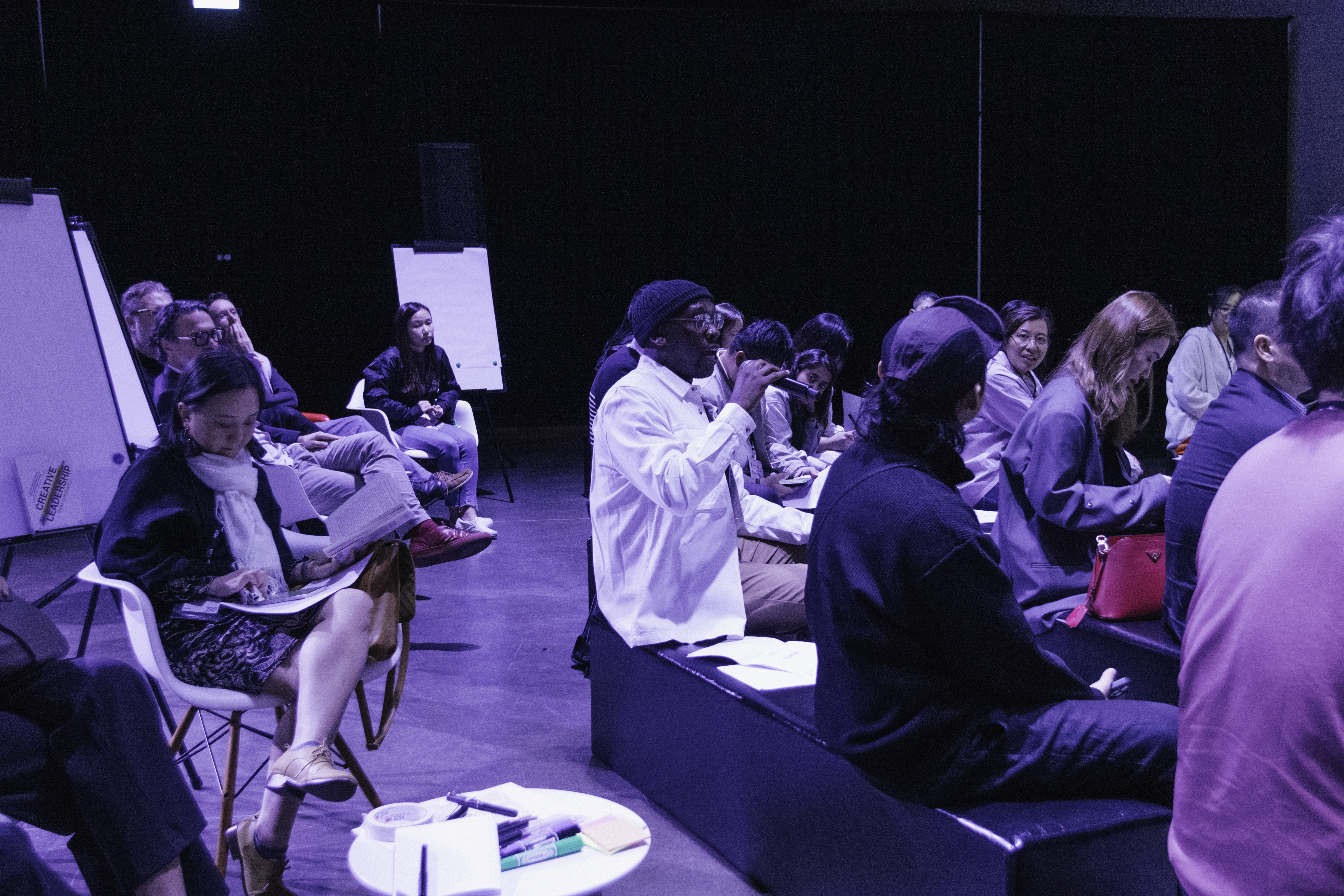
The session brought together nearly 100 participants in an oversubscribed room, representing a mix of business leaders, designers, policymakers, and emerging professionals. The aim was to move beyond high-level discussion of AI and into practical leadership capability.
1. Opening Lecture and Context Setting
The session began with a lecture-style presentation delivered by Rama Gheerawo, establishing the core premise: while organisations are rapidly adopting AI, leadership capability is not evolving at the same pace.
The presentation covered:
-
-
The role of AI in leadership, positioned as a support tool rather than a replacement
-
The limitations of AI, particularly in relation to trust, judgement, and imagination
-
A critique of traditional leadership models, highlighting their roots in hierarchy, control, and industrial-era thinking
-
The case for Creative Leadership as a more appropriate model for the 21st century
-
This created a shared foundation for the rest of the session.
2. Introduction to Creative Leadership (ECC Framework)
The session then introduced the ECC framework as a practical leadership model.
Participants were guided through:
-
-
Empathy: understanding people, context, and emotional dynamics
-
Clarity: defining direction, simplifying communication, and aligning teams
-
Creativity: generating ideas, reframing problems, and enabling innovation
-
The emphasis was on these as trainable capabilities, not personality traits.
3. Leadership Reflection and Provocation
The presentation included a series of provocations designed to challenge existing assumptions about leadership, including:
-
-
The over-association of leadership with hierarchy and authority
-
The undervaluing of creative and empathic capabilities
-
The gap between how organisations operate and the complexity of current challenges
-
Examples, quotes, and case references were used to reinforce these points and make them relatable across sectors.
4. Self-Assessment Diagnostic Exercise
Participants were then asked to complete a nine-question self-assessment diagnostic.
Each question offered three responses aligned to Empathy, Clarity, or Creativity. Participants were asked to answer based on their current behaviour, rather than aspiration.
This exercise enabled participants to:
-
-
Identify their dominant leadership tendency
-
Recognise gaps across the three areas
-
Reflect on how balanced their leadership approach is
-
The results were shared and interpreted in real time, creating a moment of collective reflection and discussion.
5. Introduction of Practical Tools
Following the diagnostic, three practical tools were introduced to support ongoing development:
-
-
Creative Leadership Map to help participants visualise their current strengths and areas for growth
-
30-Day Creative Leadership Plan comprising of a structured set of small, daily exercises focused on empathy, clarity, and creativity
-
Starter AI Playbook containing guidance on how to use AI as a tool for reflection, simulation, and leadership development
-
Each tool was explained with examples and positioned as something participants could immediately apply.
6. Group Discussion and Interaction
Participants were invited to discuss their reflections in small groups, focusing on:
-
-
What they discovered about their own leadership style
-
Where they see gaps in their organisations
-
How AI is currently being used and where leadership is missing
-
Guest contributors, including Kevin Bethune and Monica Bielskyte, added perspective during these discussions, particularly in relation to culture, futures thinking, and global context.
7. Closing Reflection and Call to Action
The session concluded with a synthesis of key themes:
-
-
The need for leadership to evolve alongside technology
-
The importance of developing empathy, clarity, and creativity as core capabilities
-
The role of practice and reflection in building leadership capacity
-
Participants were encouraged to take forward their personal insights and begin applying the tools immediately.
Overall Structure
The Masterclass followed a clear progression:
1. Context and provocation
2. Framework introduction
3. Personal reflection
4. Practical tools
5. Group discussion
6. Consolidation and next steps
The Leadership Gap in the Age of AI
A central idea ran consistently throughout the Masterclass, shaping both the discussion and the reflections in the room:
We have upgraded our technology. But we have not upgraded our leadership.
Over the past decade, organisations have invested heavily in digital transformation, data systems, and increasingly in artificial intelligence. These advancements have fundamentally changed how work is done, enabling faster decisions, greater efficiency, and new forms of insight. In many ways, the tools we now have at our disposal are more powerful than ever before. And yet, the way we lead has not evolved at the same pace.
Much of today’s leadership model remains rooted in an industrial-era mindset that prioritises hierarchy, control, efficiency, and predictability. It assumes stability, clear lines of authority, and problems that can be broken down and solved in linear ways. It rewards certainty, speed, and output, often at the expense of reflection, inclusion, and imagination.
But the reality we are now operating within looks very different. We are working in environments that are complex, fast-moving, and increasingly uncertain. Challenges are rarely contained within a single discipline or perspective. They are interconnected, ambiguous, and often shaped as much by human behaviour as by technical factors. At the same time, the human dimension of work (trust, collaboration, meaning, and purpose) has become more visible and more critical than ever before.
In this context, leadership requires something fundamentally different. It needs the ability to navigate complexity without oversimplifying it. It requires comfort with uncertainty, rather than a constant drive to control it. It requires the capacity to listen deeply, communicate clearly, and create space for new ideas to emerge.
This is why the shift is not about doing more of the same, but about doing things differently.
-
Not more control, but more awareness.
-
Not more process, but more clarity.
-
Not more authority, but more empathy.
This is where Creative Leadership becomes critical — not as an alternative model, but as a necessary evolution of leadership itself in a world that has already changed.
What Participants Discussed
By the end of the session, a number of shared realisations had begun to surface across the room. These were not abstract insights, but reflections grounded in personal experience. They were moments where participants recognised something about their own leadership, often with a degree of honesty that surprised them.
A recurring theme was that leadership is not about having all the answers, but about asking better questions. As one participant reflected:
“I realised I’ve been trying to prove I know things, rather than asking what actually needs to be understood.”
This marked a subtle but important shift from performance to curiosity.
There was also a growing recognition that creativity is not optional. It is not something reserved for designers or specialists, but a core leadership capability. Several participants noted that they had previously separated creativity from decision-making. As one put it:
“I always thought creativity was something extra. Now I see it’s how you move things forward.”
The role of AI was reframed in equally practical terms. Rather than being seen as a solution in itself, it was understood as something that amplifies what already exists, whether that is clarity or confusion, intention or bias. As one participant observed:
“If we’re not clear, AI just makes the confusion faster.”
Perhaps the most personal realisation came around self-awareness. The diagnostic and exercises prompted many to reflect on their own habits and tendencies.
“It made me realise where I default and where I avoid things.”
One participant shared. This awareness created a starting point for change.
Importantly, the session did not end with large, abstract commitments. Instead, there was a clear sense that small shifts in behaviour in how people listen, communicate, and act, could have meaningful impact over time.
Most importantly, participants recognised that leadership is not something they wait to be given. It is something they could choose to practise every day.
Key Takeaways
-
Leadership is defined by the quality of questions, not the speed of answers
-
Creativity is a core leadership capability, not a specialist skill
-
AI amplifies existing behaviours so clarity and intention are critical
-
Self-awareness is the foundation for meaningful leadership development
-
Small, consistent behavioural changes can drive significant impact over time
The Hong Kong + AI Leadership
Hong Kong sits at a unique intersection of global business, technological advancement, and cultural diversity. It is a city that has consistently adapted to change and is now navigating the next wave of transformation driven by AI.
As AI continues to reshape industries, there is a clear opportunity for Hong Kong to lead not just in the adoption of technology, but in how leadership evolves alongside it.
-
Global business
Hong Kong operates as a gateway between East and West, connecting markets, ideas, and industries. This creates both opportunity and complexity, requiring leaders who can navigate different cultures, expectations, and ways of working.
“In Hong Kong, you’re never dealing with just one context and that’s the challenge and the opportunity.”
-
Technological advancement
The city has shown strong momentum in adopting new technologies, particularly in finance, infrastructure, and smart city initiatives. However, the pace of adoption often outstrips the development of leadership capability to guide it effectively.
“We’re moving fast with the tools but not always with how we use them.”
-
Cultural diversity
Hong Kong’s diversity is one of its greatest strengths, bringing together different perspectives, experiences, and ways of thinking. This creates fertile ground for creativity, but also requires leadership that is inclusive and able to hold multiple viewpoints at once.
“The diversity is there. The question is whether leadership knows how to unlock it.”
To fully realise this opportunity, a shift in focus is needed:
-
Investment in human capability
Beyond infrastructure and technology, there is a need to invest in the development of people particularly in how they think, communicate, and lead.
“We invest heavily in systems but not enough in how people actually lead them.”
-
New approaches to leadership development
Traditional leadership training models are no longer sufficient. There is a need for more practical, reflective, and experiential approaches that build real capability over time.
“We don’t need more theory we need ways to actually practise leadership.”
-
A shift towards more inclusive, creative, and adaptive leadership models
As challenges become more complex, leadership must become more open, more collaborative, and more willing to engage with uncertainty and change.
“The old model feels too rigid for the world we’re in now.”
Creative Leadership offers a way forward. It provides a practical, human-centred approach that aligns with the realities of a city like Hong Kong — one that is fast, diverse, and constantly evolving. It enables leaders not only to keep pace with change, but to shape it with greater awareness, clarity, and creativity.
A Call to Action
What this Masterclass made clear is that the need for Creative Leadership is not theoretical. It is immediate.
Organisations are already navigating:
-
AI integration
AI is being introduced into workflows, decision-making, and strategy often faster than leaders can fully understand its implications.
-
Rapid change
Markets, technologies, and expectations are shifting continuously, requiring leaders to adapt in real time rather than rely on fixed plans.
-
Increasing complexity
Challenges are becoming more interconnected, crossing disciplines, systems, and human dynamics that cannot be solved in isolation.
The question is whether their leadership is equipped to handle it.
So there is a growing opportunity to:
-
Develop leadership capability across organisations
This means building skills not just at the top, but across teams enabling more people to lead with confidence and awareness.
-
Embed empathy, clarity, and creativity into decision-making
These capabilities must move from theory into everyday practice, shaping how decisions are made at every level.
-
Create environments where human potential and AI can work together
The goal is not replacement, but collaboration where technology supports, rather than overrides, human judgement.
bodw Future Lab offers one such platform, but the work goes beyond a single session.
It requires:
-
continued engagement: ongoing dialogue and reflection are needed to sustain momentum and deepen understanding.
-
structured development: clear frameworks, tools, and programmes are essential to translate ideas into capability.
-
a commitment to leading differently: ultimately, this is about choice and a willingness to challenge ways of working and adopt new behaviours.
Why the INSTILL Partnership
The success of bodw Future Lab was defined not just by its attendees, but by its expert design, facilitation, and curation. The partnership between HKDC and INSTILL combined global inclusive design expertise, backed by over 100 projects worldwide, with operational excellence to demonstrate the value of design as a core driver of innovation.
Core Methodology: Three Practical Principles
The partnership navigated complexity using a practical framework rather than abstract concepts:
-
Empathy: Deepened the focus on the lived experience of citizens, keeping urban conversations rooted in human reality.
-
Clarity: Organized complex, fragmented information into a shared, cohesive understanding.
-
Creativity: Built an exploratory space to transcend traditional constraints and act upon breakthrough ideas.
Key Outcomes and Session Impact
By striking a critical balance between structured methodology and open dialogue, the joint team successfully enabled:
-
Flattened Hierarchies: Allowed 50+ diverse participants and speakers to collaborate as equals.
-
Cross-Sector Synergy: Unlocked deep collaboration across design, business, government, and culture.
-
Capability Building: Translated complex concepts into actionable insights and new problem-solving frameworks.
Future Blueprint at Scale
Ultimately, this partnership serves as a proof of concept for the future of the platform. It proves that bodw Future Lab can scale into a highly calibrated environment where diverse stakeholders successfully engage with complexity, co-create solutions, and translate insight into real-world action.
In collaboration with
Explore More Contents

