



bodw Future Lab 2025
Conclusion


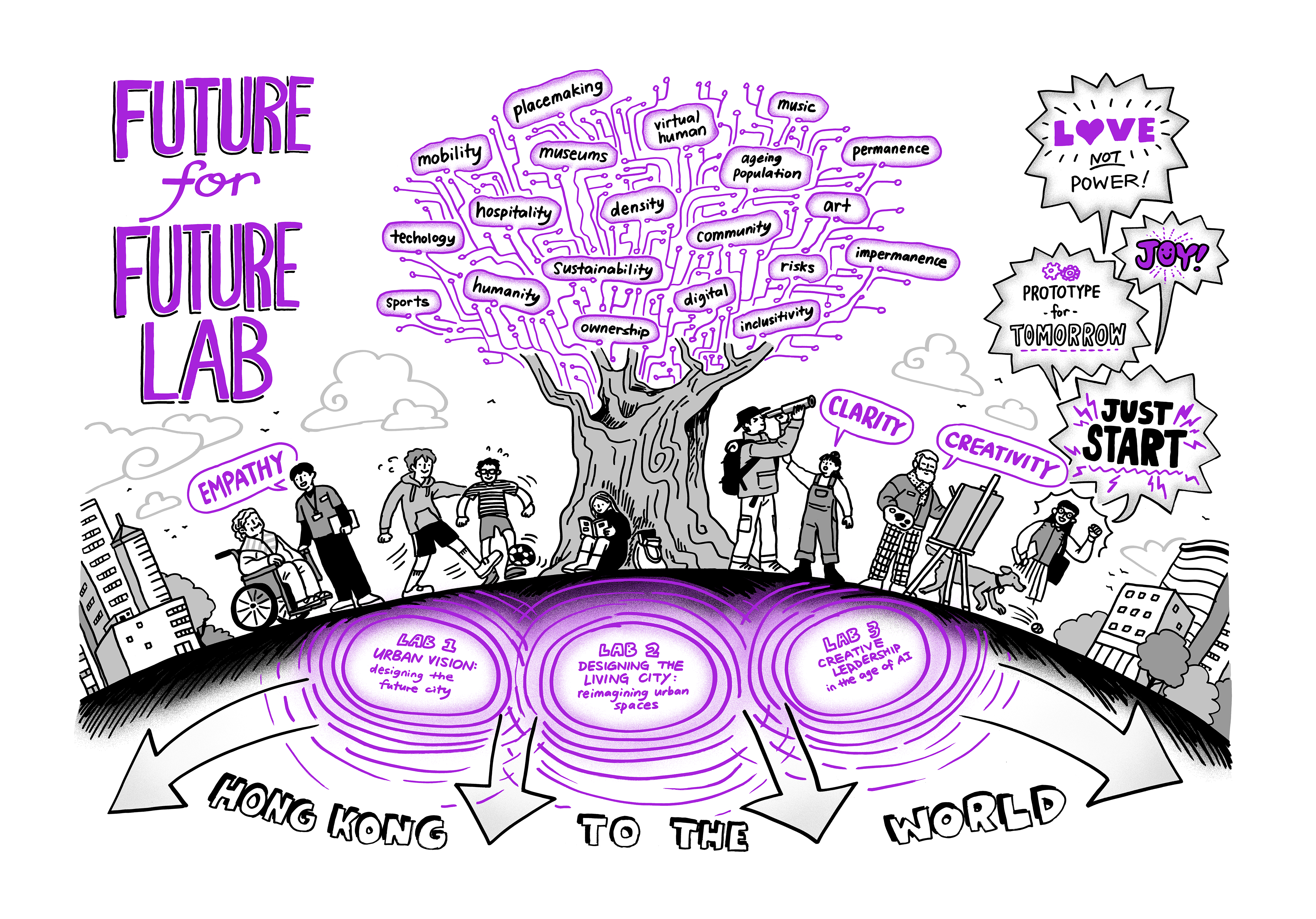
A Common Lens: the bodw Future Lab Manufesto
From the discussions emerged a series of guiding principles/tenets. These were not written as directives but rather as a shared set of guidance for all those involved in urban design:
-
design for experience/lived experience instead of only designing for systems
-
designing for the margins strengthens systems rather than weakens them
-
remove friction prior to adding features so that you get the basics right for people of all needs and abilities
-
use design to build flexibility into cities
-
engage people as co-participants (as opposed to mere end users)
-
view design as ongoing process from inception, through to evaluation through to post-occupancy
These guidelines are straightforward but can be more difficult to implement. They require a fundamental transformation in mentality, from control / assurance / certainty TO curiosity / openness / flexibility. This is where design can play a role.

The Functionality of bodw Future Lab
Following the success of BODW 2025, bodw Future Lab has evolved from a single event into a permanent, multi-disciplinary platform. Its long-term value lies in becoming an enduring HKDC brand that actively shapes inclusive urban visions.
Core Functions:
-
Connects Sectors: Bridges disciplines to drive collaborative, cross-sector innovation.
-
Enables Experimentation: Serves as a testbed for launching and trialling new ideas.
-
Builds Capability: Develops and scales inclusive design skills across industries.
-
Informs Decision-Making: Influences policy, strategy, and leadership choices.
-
Creates Case Studies: Generates real-world examples that demonstrate design value.
Future Delivery Model:
To unlock its full potential beyond the annual BODW event, the platform will deliver continuous value through an ongoing series of programmes, projects, and collaborative initiatives.
Future Development: 2026 and Beyond
Moreover, there exists the possibility of extending future lab beyond the confines of the annual conference, into a year-round, action-oriented platform. This evolution transitions HKDC from a design "think-tank" into a global hub for applied, design-led innovation.
Year-Round Programmatic Extensions:
-
Themed Labs: Continuous, topic-specific forums investigating major societal and industry challenges.
-
Executive Education: Specialized training and professional development programmes to scale leadership capabilities.
-
Corporate & PPP Sessions: Focused workshops uniting business, government, public sector, and entrepreneurs.
-
Community & Youth Initiatives: Grassroots engagement schemes to nurture emerging designers and next-generation talent.
It is suggested that HKDC collaborates with the right organisations to strategise and implement programmes. Below are some important questions to help activate potential future developments:
-
how do we measure inclusion through lived experience?
-
how do we transition from consulting with people to involving people in the process?
-
what role can public private partnerships (PPPs) play in scaling inclusive design?
-
how can design serve as key tool for policy input, and not just reaction?
-
what does it mean for Hong Kong to be leaders in this arena?
Positioning Inclusive Design and Design for All as a strategic pillar of bodw Future Lab and wider HKDC programming can establish a distinctive global USP that connects design excellence with inclusion, expands market relevance, and creates opportunities for cross-sector partnerships, including Public-Private projects and relationships.
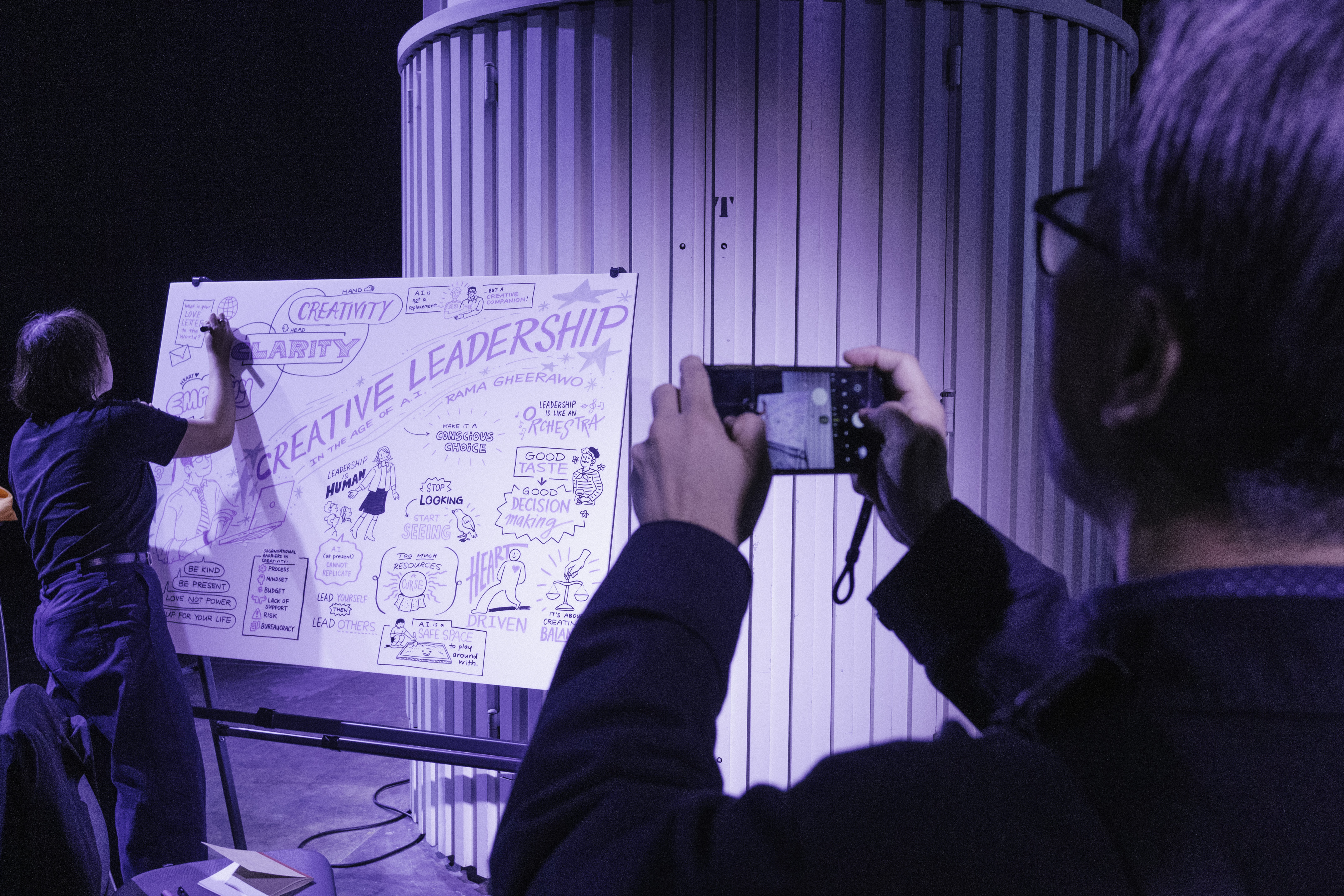
Questions for the Future
-
How can cities balance permanence with activation?
-
What new models of participation are needed?
-
How can PPPs support cultural activation at scale?
-
What role should design play in shaping urban identity?
-
How can Hong Kong lead globally in this space?
Closing Reflection
While Lab 1 and Lab 2 demonstrated that cities must be built to both include and inspire their citizens through culture, Lab 3 proved that leaders must rapidly adapt to a changing world. The future is no longer a distant concept; it is a dynamic reality where technology evolves faster than it can be fully understood. To lead effectively through this uncertainty, decision-makers must embrace Creative Leadership to bring empathy, clarity, and innovation to governance and business strategy.
Why Creative Leadership Matters for Hong Kong & HKDC
-
Positions Hong Kong as an Innovation Leader: Shifts the city from a mere adopter of new technologies to an authority on how they are guided, applied, and led with human-centric intention.
-
Bridges Technology and Leadership Capability: Ensures that emerging tools like AI are governed by strategic purpose and human values rather than simple operational efficiency.
-
Enhances Cross-Sector Cooperation: Builds a shared professional language and collaborative framework across business, government, academia, and the design sector.
-
Develops Sustainable Capabilities: Transitions organizational knowledge from one-off, isolated insights into models for sustained regional growth.
-
Establishes a Regional Hub: Positions the HKDC as an Asia-wide epicentre for Creative Leadership, driving an active advocacy and development agenda across the continent in partnership with INSTILL
In collaboration with
Explore More Contents

