



bodw Future Lab 2025
Lab 1 – Urban Vision Designing the Future City


Lab 1 – Urban Vision Designing the Future City
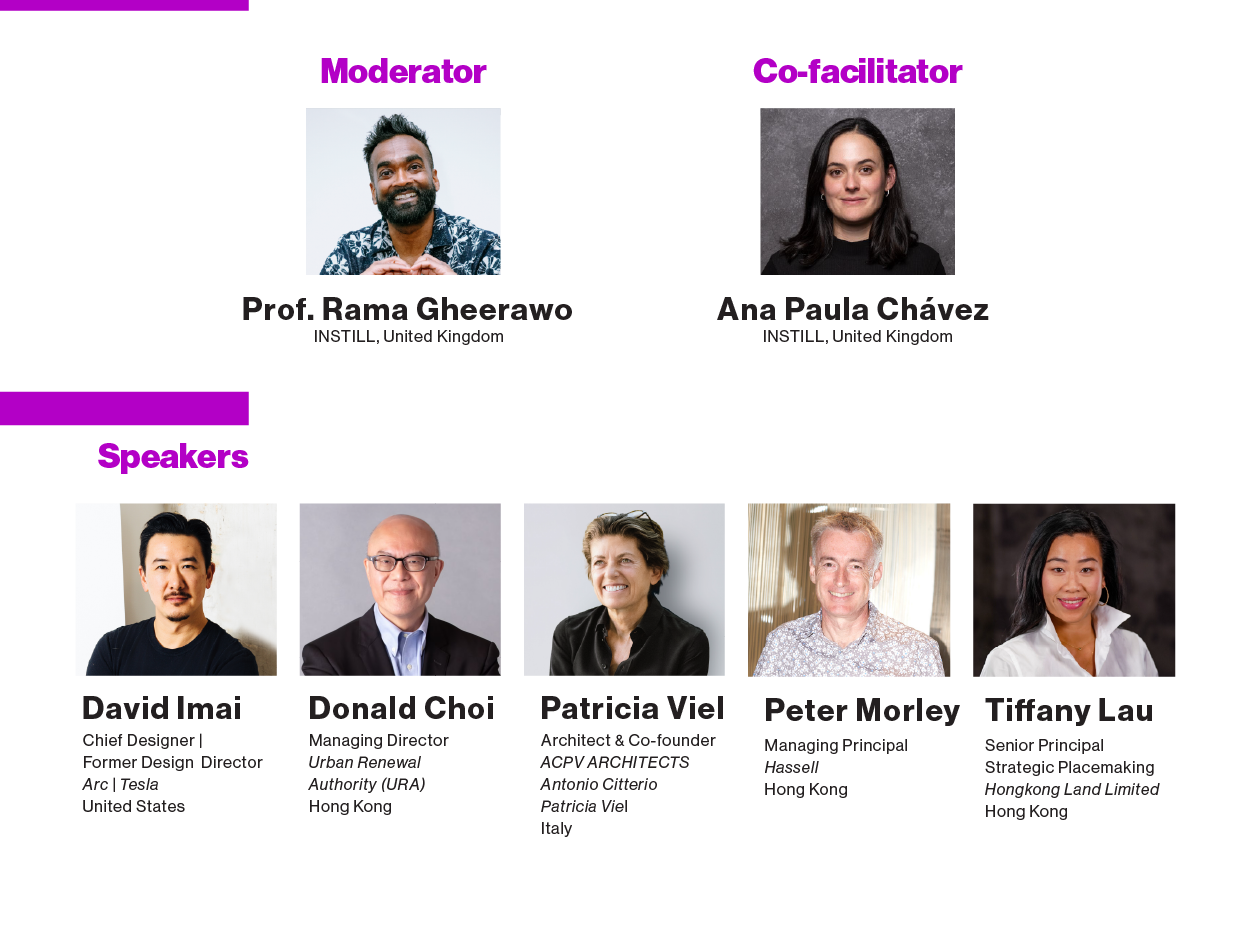
Held at the Business of Design Week (BODW) in December 2025, bodw Future Lab 1 brought together global and local voices to explore a deceptively simple question: what does a future-inclusive city really look like? Design, with its future-facing capacity and its ability to translate new ideas into business impact would be a powerful tool in elevating Hong Kong’s ability to ‘spec’ and ‘test’ the future city.
Through discussion and a created workshop with a panel of experts and 85 attendees, what emerged was a shift in perspective and ideas to make cities more loveable, not just liveable. Cities are too often designed as systems of efficiency, yet are typically experienced as moments of inclusion or exclusion. Emotional well-being is often excluded. This Lab reframed the city as a lived experience, one that is importantly shaped not only by infrastructure and policy, but by dignity, access for all, and the creation of a sense of belonging.
A structured process of expert presentation, dialogue, workshop collaboration, and design sprints, participants created clear signals for the future: inclusion must be ‘baked into’ infrastructure and planning, not treated as an afterthought; mobility must prioritise connection and independence; heritage must be seen as a living asset; and design must operate as a bridge between sectors.
The Lab also demonstrated the value of the new bodw Future Lab process itself. This moved on the typical BODW format not being seen as a space for conversation, but also as a platform for shaping thinking across policy, business, and community, using design as a critical tool for framing the discussion.
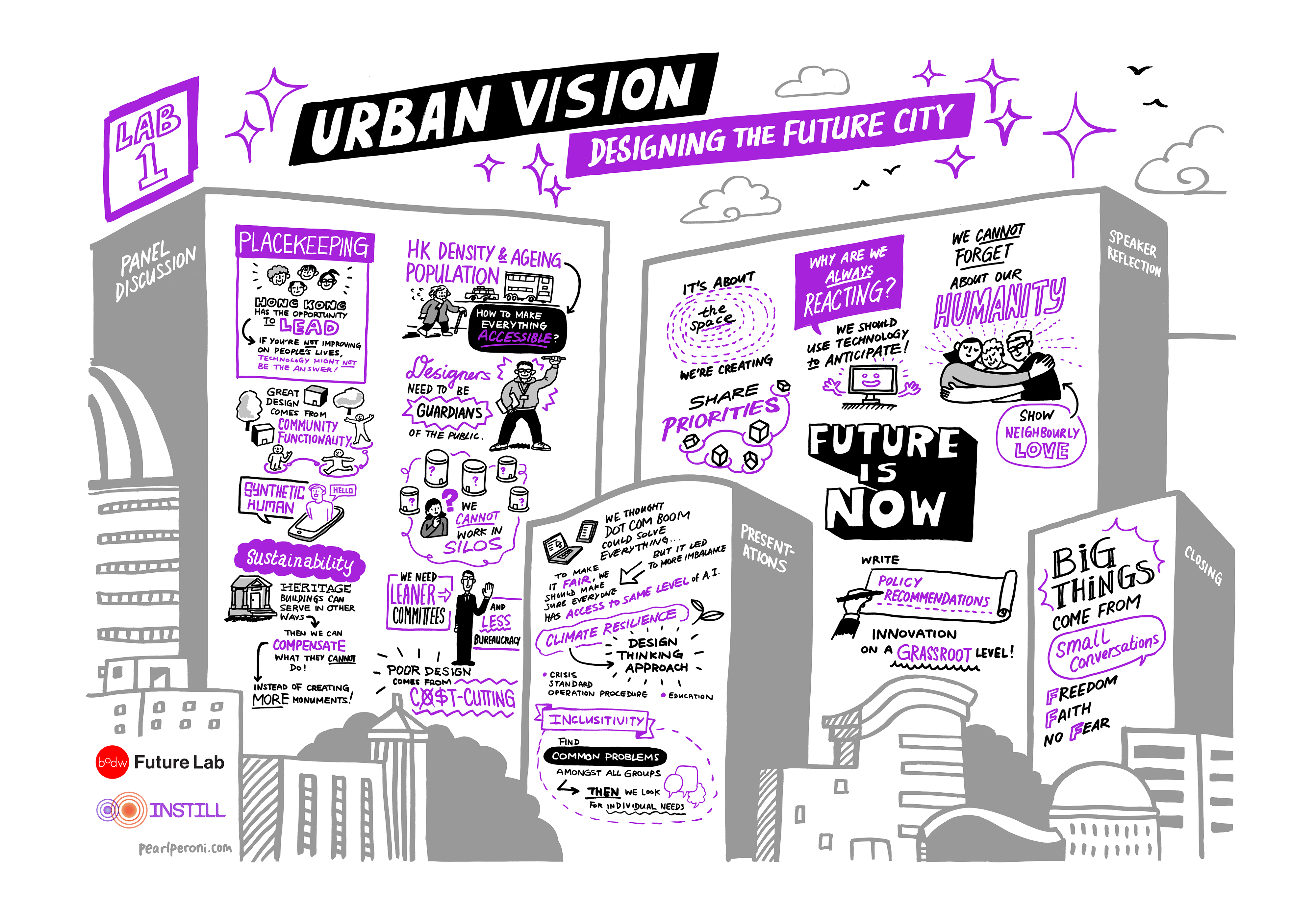
Through a structured process of expert presentation, dialogue, workshop collaboration, and design sprints, participants created clear signals for the future: inclusion must be ‘baked into’ infrastructure and planning, not treated as an afterthought; mobility must prioritise connection and independence; heritage must be seen as a living asset; and design must operate as a bridge between sectors.
The Lab also demonstrated the value of the new bodw Future Lab process itself. This moved on the typical BODW Summit format not being seen as a space for conversation, but also as a platform for shaping thinking across policy, business, and community, using design as a critical tool for framing the discussion.

Why Future Lab, Why Now?
Cities represent some of the largest achievements of design on earth. In terms of both size and scale, cities can range from small neighbourhood areas to very large areas of land. While we design them to unite people, in far too many cases, they divide.
While we optimise them for efficiency, people's needs and desires are often not taken into account. We develop cities as systems and ecosystems, whilst individuals typically experience them as specific locations, spaces and services.
bodw Future lab 1 aimed to address this tension. Our question was simple but difficult to answer:
What does a truly inclusive city look like? Not theoretically but from the perspectives of the people who live, travel, work and exist there.
When applying the people-centred principles of inclusive design, bodw Future Lab 1 evolved this question to become:
How does a city not just become liveable, but also become loveable? This speaks to the emotional experience that most cities create (Participants noted that London, New York and Hong Kong can carry many different flavours).
The subject of Lab 1 becomes increasingly important today as cities develop in terms of population growth, rate of development, and degree of complexity. At the same time, populations are aging and people with disabilities are increasingly recognised to command more of the economy. The Lab explored four primary (and typically more visible) types of exclusion to be addressed: age, ability, gender and race alongside many others such as socio-economic circumstance, geography, education.
Technologies continue to advance. Expectations are changing. Yet many of the systems we depend upon were developed for a different time, a different type of individual and a different understanding of ‘the norm’ or the ‘average’ consumer. Hong Kong is seen as a good location to address this question. On one hand, it is crowded, fast-paced, competitive and has deep layers of cultural and historical background. The effects of urban living are evident in Hong Kong, and it has global potential to act as a pilot space for other cities.
Instead of viewing Hong Kong as a case study, the Lab viewed the city as a lens, and a potential way to see global issues more clearly. Design, with its future-facing capacity and its ability to translate new ideas into business impact would be a powerful tool in elevating Hong Kong’s ability to ‘spec’ and ‘test’ the future city.
Designing the lab:
From Conversation to Collective Intelligence
bodw Future lab was never supposed to be another roundtable discussion as there are many of those already that ably address conversations. The Hong Kong Design Centre (HKDC) and INSTILL imagined these as a space where local and global experts, speaking at BODW, could creatively interact with a workshop-setting to actively discuss issues, set agendas and create ideas.
We wanted to create an environment that combined elements of shared inquiry with a collaborative approach. We organised the session into three segments:
-
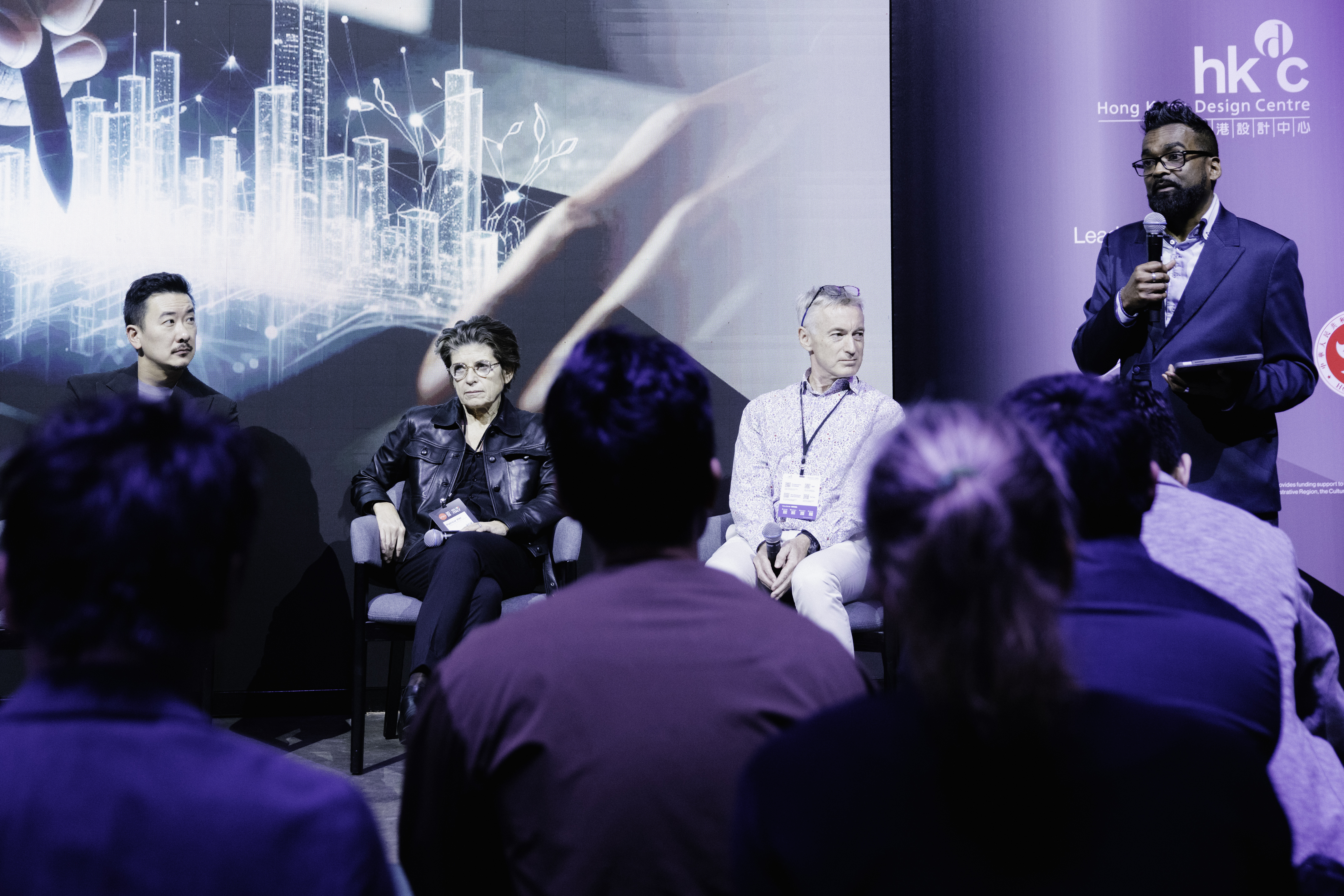
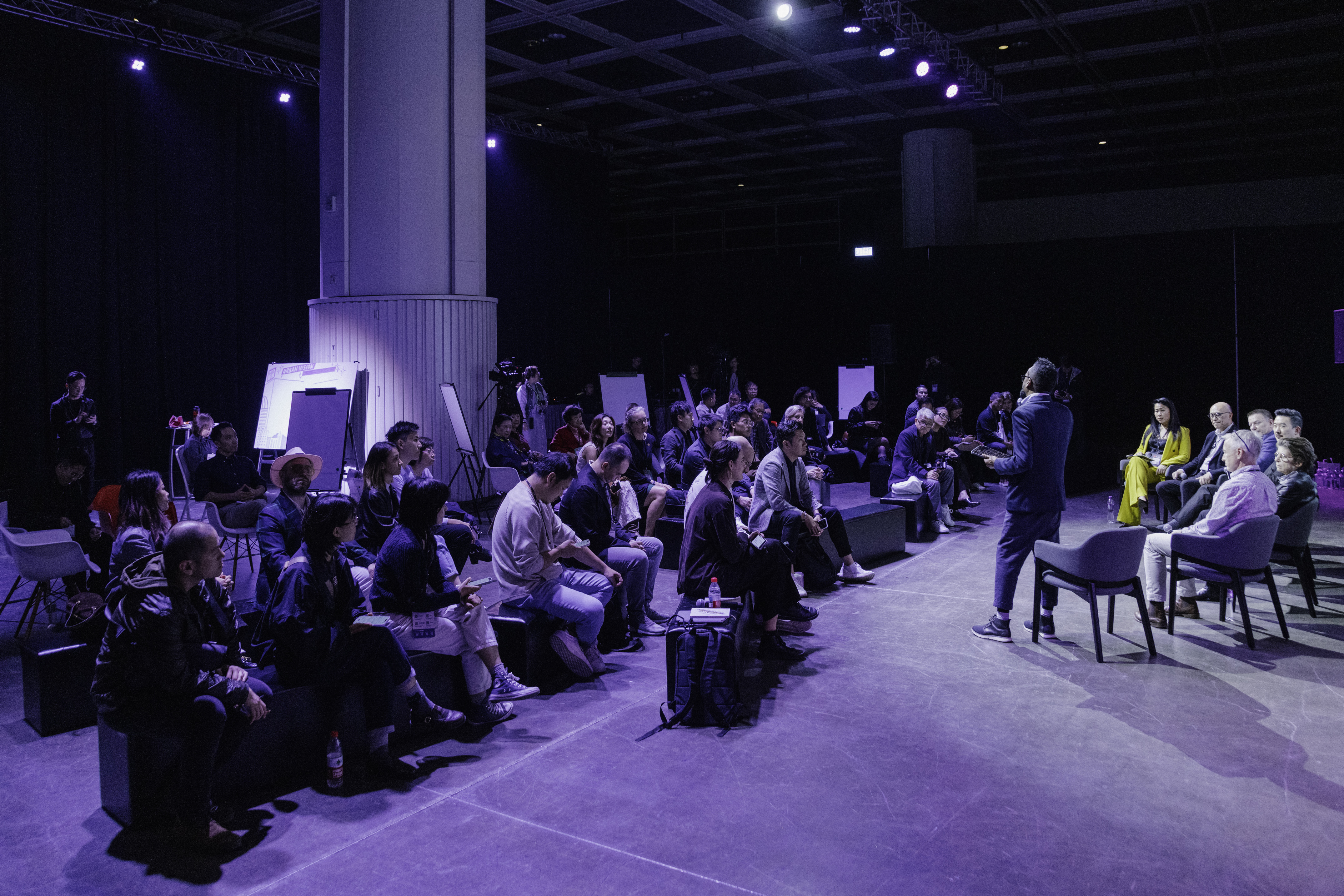
First, we began with a panel conversation, not presentation style. but taking a more provocative stance to bring home the challenges. We invited speakers to think about urban renewal, mobility, heritage, technology and inclusion from their perspective. This helped establish a common reference point and introduced the challenges for participants to link to.
-
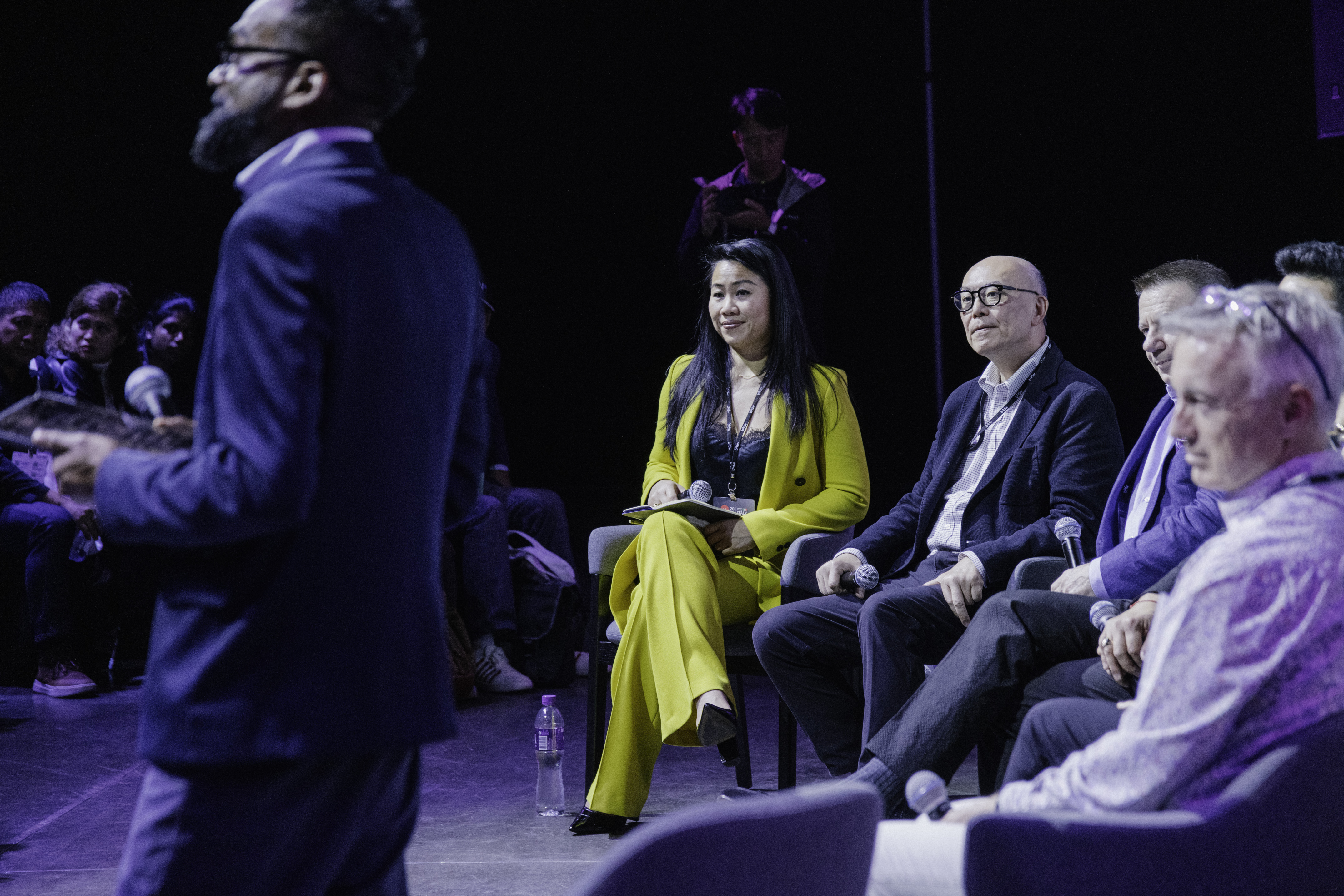
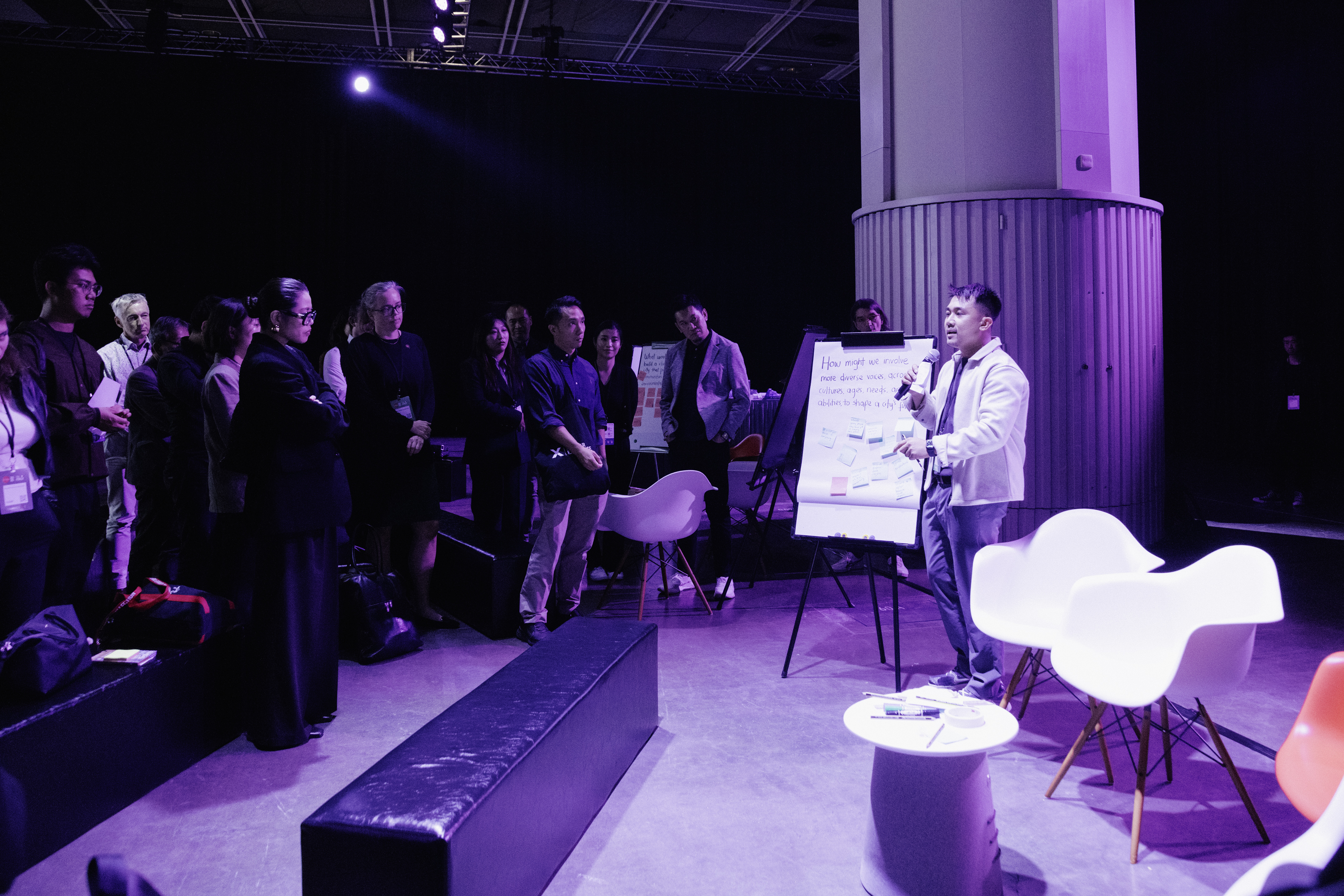
Next, we conducted group activities. This was when things really changed. As part of group activity, we intentionally put speakers in the groups eliminating the traditional distinction between expert and participant. This made a difference. When hierarchy is flattened, conversations change and people communicate differently. They took responsibility as active participants rather than passive listeners.
-
Finally, we reconvened as an entire group to share reflections. Speakers listened first to the ideas and suggestions from the participants and then responded from their position of expertise. This created a cycle: ideas flowed — were evaluated — reframed — and re-presented. Collective intelligence rather than consensus was the result.
What Happened in the Room
One of the biggest shifts in the session occurred when participants began to redefine the city itself. Initially we focused on discussing systems — transportation networks — infrastructure — planning framework. However, almost immediately the focus of the discussion shifted to the human perspective and to the power of design in enhancing life for all citizens.
We began to discuss experiences such as:
-
What does it feel like to travel through a train station when you're getting older?
-
Can you get help using services when you don't know the local language?
-
Can you navigate through a space that wasn't designed with your best interest in mind?
-
Why do spaces focus on efficiency and efficacy rather than experience?
-
How can the city accommodate fast movers and slower walkers?
“Cities aren't experienced as systems … they're actually experienced in moments.”
When the conversation shifted to this new paradigm, a number of key insights emerged:
1. Inclusion is assumed, not analysed
“We design for inclusion on paper — but people experience exclusion in real life.”
Many Participants recognised that inclusion is often assumed but not analysed. Although policies may declare inclusiveness, actual lived experience can tell a completely different story. Designers and business need to widen their customer-base and become inclusive of a greater range of citizen needs, thereby widening their market
2. Systems only work in ideal conditions
“If a system only works when everything goes right, it doesn’t work at all.”
Participants described systems that function flawlessly, but only if everything works correctly. This is exactly the problem. Cities do not exist in ideal circumstances. They are experienced in real-life situations under all types of uncertainty, breakages and inefficiencies. Design briefs need to accommodate this.
3. Designing for marginalised customers and citizens
“When you design for customers at the edges, you get the centre for free.”
Another insight that resonated heavily among participants was this: Creating designs for those who are most marginalised, regardless of age, ability, language or situation creates stronger, more flexible and ultimately more humane environments for everyone. Designers and businesses who act on this will have market gain and have a unique selling proposition (USP).
4. Mobility as an experience-enhancer
“When mobility fails, connection fails, and that’s where isolation begins.”
Mobility was another area where thinking evolved dramatically. Mobility is no longer defined as simply moving from ‘a to b’, but as something deeper. It is a about self-respect, independence, and maintaining connection. This links inclusivity to sociability in the city, combating issues such as loneliness and isolation. For designers and business, the healthcare impact could be enormous.
5. Heritage is a living force
“The past informs the present and helps informs decisions whether good or bad.”
Additionally, in this Lab, participants discovered and articulated a profound reframing of what heritage meant. Rather than preserving it as static artifacts from the past, it was realised that heritage was alive and could (and should) provide guidance and inspiration for any future developments. We should not try to design a future without looking at the heritage and context of a city.
6. Inclusive Design must be embedded, not added
“Inclusion is not a layer you add … it’s a lens you design through.”
Participants repeatedly highlighted that inclusion cannot sit at the edges of strategy, to be addressed after key decisions have already been made. Instead, Inclusive Design (or Design for All) must be embedded from the outset, shaping how problems are framed, how opportunities are identified, and how solutions are developed. When inclusion is treated as a core principle rather than a compliance exercise, it drives better outcomes across products, services, and environments. For organisations, this represents not only a social responsibility, but a strategic advantage, unlocking wider markets, deeper engagement, and more resilient, future-ready solutions. This shift requires expertise, leadership, and a commitment to designing with, not just for, diverse communities.
What Did Participants Take Away?
While the group discussions took these ideas from a state of concept into actionability, they did not develop solutions per se as this is not what bodw Future Lab intended. However, they did create several distinct directions that could inform further work and exploration.
There were several overarching themes that emerged:
-
Participants generally agreed that inclusion must be built-into the design process from day one and not included as an afterthought. This has implications for more than just design however, encompassing other areas such as planning processes, procurement practices and policy structures.
-
There was also agreement that flexibility is significantly more important than fixed finality. Cities grow faster than plans can accommodate changes to meet those needs. If planners design based solely on pre-determined outcomes, they will always fall short.
-
Participants felt that it was crucial to involve stakeholders in early stages and in truly meaningful ways. Consulting people at the end of a project doesn't constitute participatory governance. To ensure that people contribute to shaping Cities, they must be engaged earlier and more meaningfully and regularly throughout the process.
-
Lastly, there was widespread consensus among participants that no one field can resolve this issue alone. Collaboration between fields including design — policy — business — community is required to effectively address the complexities inherent in creating inclusive, sustainable and equitable cities.
To illustrate this conceptually several concrete suggestions emerged showing how design, through the application of inclusive design / design for all could add value to future discussions:
-
test inclusion through genuine user-experiences rather than assumptions
-
identify and eliminate common friction points in daily activities / transactions
-
build adaptability into planning frameworks
use design as a the ‘non-threatening’ intermediary between industries
In collaboration with
Explore More Contents

