



Shanghai's Columbia Circle Phase II — Breathing New Life into Old Structures
Architecture bears witness to a city's evolution. In community development, preserving key historical structures is crucial for urban renewal, as these buildings convey compelling narratives of a community’s transformation through their unique forms.


[The following content is provided by the Oval Partnership]
Columbia Circle Phase II, located at No. 1262 West Yan’an Road in Shanghai, extends Columbia Circle, which first opened in 2018. The initial phase focused on preserving the historical buildings from the 1920s, like the Sunke Villa and the Columbia Country Club. Now in its second phase, the project aims to integrate modern architecture with these historical structures while preserving urban memories.
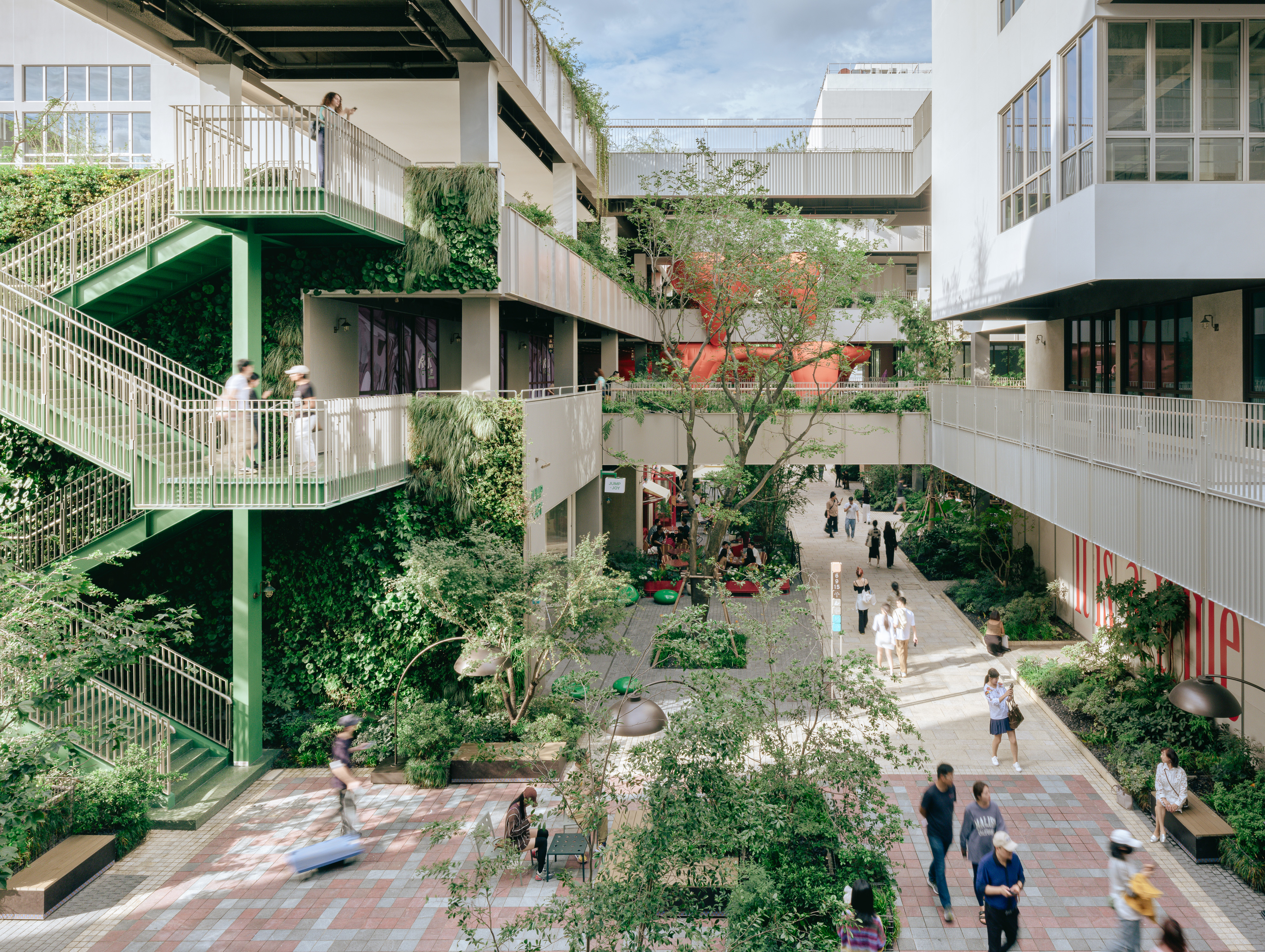
Phase II introduces five new multi-storey buildings and open spaces, such as connecting streets, courtyards, and a plaza, to create a vibrant community that blends commercial, office, leisure, entertainment, and cultural incubation.
The Oval Partnership’s strategic planning ensures harmony with Phase I’s historical architecture. Covering 24,000 sqm, the project features smaller structural units with enhanced accessibility through elevated corridors and pedestrian networks, taking ventilation, natural lighting, and shading into consideration.
Phase II offers a diverse layout; commercial and dining spaces occupy the first two floors, while the upper floors house offices and venues for cultural and sporting activities. The site integrates cultural and creative industries, commerce, dining, and retail, serving as a central hub for the locals. Public squares host events, and recreational zones offer pop-ups and seasonal experiences. Facilities like the sports park, leisure corridors, and cultural art galleries cater to residents’ needs for relaxation and cultural exploration. Leasing efforts focus on attracting outdoor sports, sustainable, and lifestyle brands.
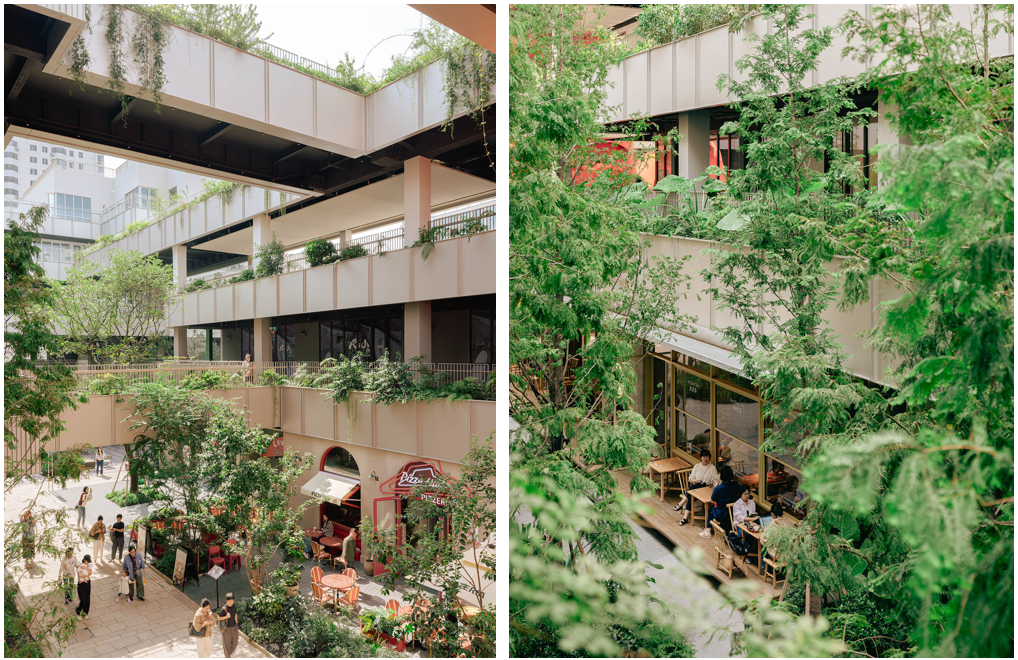
Columbia Circle Phase II incorporates extensive green spaces to enhance placemaking, with layered greenery creating a tranquil ambience. Outdoor dining and recreational spaces encourage interaction and connection between visitors. Furthermore, spacious areas and large staircases provide venues for performances and parties, promoting cultural exchange. Rooftop gardens, small terraces, and gardens invite visitors to explore traces of urban development.
The façade design is a highlight, featuring beige and grey hues that echo Phase I’s aesthetics. By utilising natural materials and industrial aesthetics, Columbia Circle Phase II restores the charm of bygone architecture. Brutalist materials, such as washed and rough stone, offer raw textures that were present in Phase I. The functionalist Bauhaus design, with bold, minimalist lines, contrasts playfully with Phase I’s industrial structures.
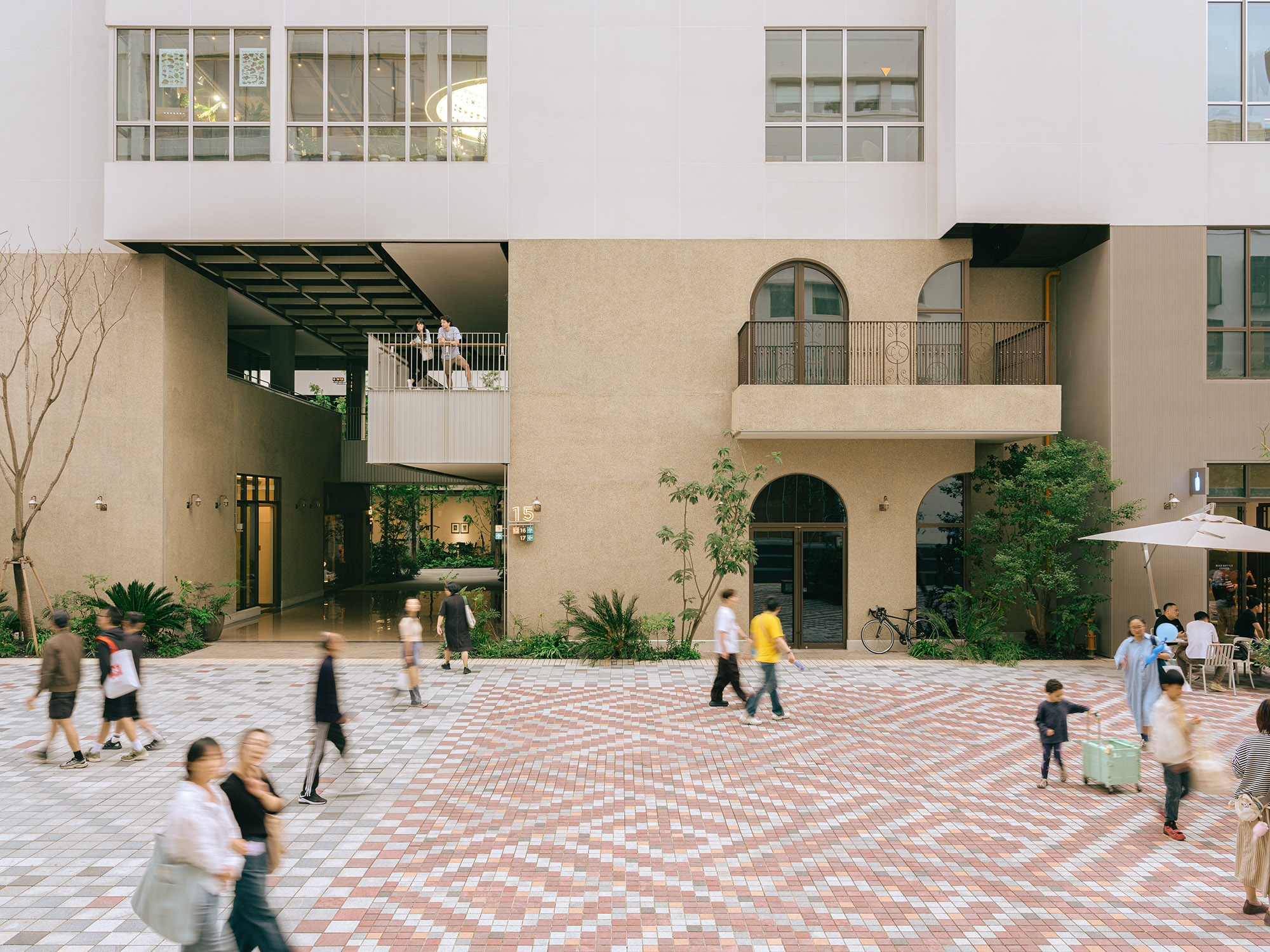
Actively preserving urban historical and cultural heritage, Columbia Circle Phase II simplifies and fuses architectural forms with modern elements, creating iconic façades. Historical fragments, such as archways, are embedded into the design, blending old memories with present-day architecture. Likewise, the façades incorporate materials from historical buildings as a tribute to the old structures. These historical elements add compelling stories and modern significance, allowing visitors to trace the site’s urban development.
Since its opening in 2018, Columbia Circle has been pivotal in Shanghai’s urban renewal. By expanding the city’s narratives, it preserves and weaves together Shanghai’s unique historical and modern memories. Phase II highlights the role of history and culture in reshaping communities, sparking dialogue on wellness within cultural heritage and urban development.
The project won the 2025 Hong Kong Institute of Architects Annual Award – Merit Award (Retail, Outside Hong Kong), which fully recognises its outstanding achievements in the field of architectural design.
Photographer: Zhu Yumeng
To explore more projects by the Oval Partnership, please visit their website: the Oval Partnership.
Explore More Contents

